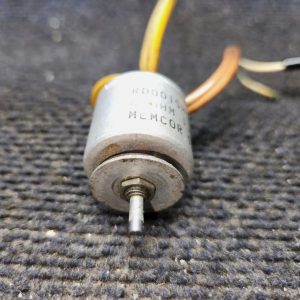
P/N RD0015H1600JBC may support scheduled electrical maintenance, panel-light troubleshooting, classic-aircraft restoration, or completion of a compatible cockpit project.
The Cessna 172F Rheostat can support cockpit illumination adjustment, while Cessna 172F Lighting Rheostat and Cessna 172F Panel Light Rheostat descriptions should not imply compatibility with every Cessna panel configuration.
A Cessna 172F Cockpit Dimmer may function as a Cessna 172F Instrument Light Control, while a Cessna Instrument Panel Rheostat should match the intended wiring and electrical load.
The Aviation Lighting Control Rheostat can support Aircraft Instrument Lighting Control, but similar-looking components may use different electrical characteristics.
Cessna 172F Electrical Parts, a Cessna 172F Dimmer Switch, Cessna Panel Lighting Control components, and a Cessna Aircraft Rheostat may be sourced together during a complete cockpit electrical project.
Important Identification Details for the Lighting Rheostat
Complete part-number verification reduces unsuitable purchases and electrical troubleshooting delays.
Informal cross-references should not replace verified specifications or appropriate aircraft electrical information.
Rheostat Shaft and Knob Compatibility
The no-knob description means the control knob is not included unless the listing states otherwise, so the buyer should plan for a compatible replacement or reusable original knob.
The replacement knob should attach securely without damaging the shaft, binding the rheostat, or contacting the panel surface.
Understanding Variable Panel Illumination
Rotating the control changes the electrical resistance or control setting, allowing the pilot to select an appropriate lighting level.
Replacing the rheostat without diagnosing the full circuit may leave the original fault unresolved.
Aircraft Serial and Wiring Applicability
Production changes, previous panel modifications, lighting upgrades, replacement wiring, and modern avionics installations can affect the required control.
Previous aircraft modifications should be reviewed before reconnecting the replacement component.
Inspecting the Rheostat Housing and Shaft
A smooth mechanical feel does not prove that the internal electrical contact remains serviceable.
Evidence of pliers, forced knob removal, hammering, or improvised modification should be disclosed.
Cessna Electrical Terminal Condition
Attached wires should be read more checked for brittle insulation, damaged conductors, incorrect splices, unsupported weight, and missing identification.
Improvised jumper wires or substituted terminals can change circuit operation and introduce additional failure points.
Testing the Cessna 172F Lighting Rheostat
Accurate test descriptions improve buyer confidence and maintenance planning.
Qualified electrical evaluation supports responsible use of the Aviation Lighting Control Rheostat.
Diagnosing Flickering Instrument Lights
Structured troubleshooting helps prevent unnecessary parts replacement.
Technicians should compare circuit behavior at different control positions while monitoring wiring, terminals, lamps, grounds, and protection devices.
Restoring a Classic 172F Cockpit
Restorers may seek the correct housing, shaft, mounting style, knob design, panel location, and control labeling.
The missing knob may be sourced separately, reproduced appropriately, or reused from the removed control when its fit and condition remain suitable.
Planning a Panel Lighting System Project
A missing knob or damaged connector can delay installation even when P/N RD0015H1600JBC is available.
Clear component control reduces accidental installation of unverified cockpit parts.
Restoring an Aircraft Lighting Control
Minor external cleaning or hardware replacement may differ significantly from internal electrical refurbishment.
The repaired component should be tested through its full range before installation.
Rheostat Purchase Considerations
The commercial value of P/N RD0015H1600JBC depends on verified identity, electrical specifications, physical condition, test status, shaft integrity, terminal condition, traceability, and included hardware.
The seller should disclose the missing knob, damaged threads, bent shaft, corrosion, burned terminals, heat discoloration, intermittent operation, repairs, and storage conditions.
Cessna 172F Rheostat Buying Checklist
The buyer should obtain enough information for qualified aviation maintenance personnel to evaluate the component before purchase.
- Resolve identity, electrical compatibility, fitment, and package-completeness questions before payment.
- Arrange qualified evaluation whenever specifications, electrical condition, repair quality, or installation suitability remain uncertain.
- Inspect and photograph the rheostat immediately after delivery before cleaning, testing, opening, repairing, wiring, mounting, or modifying it.
Protecting Cessna Electrical Parts in Transit
Professional packaging helps preserve the physical condition of the Aircraft Panel Light Dimmer.
Test records and identification information should remain associated with the component.
Fitting P/N RD0015H1600JBC
The replacement rheostat should be compared with the original component for ratings, terminal arrangement, mounting dimensions, shaft style, and circuit function.
Correct installation supports dependable Cessna Panel Lighting Control.
The panel should be checked under suitable lighting conditions without promising a particular brightness improvement.
Maintaining the Cessna 172F Lighting Control
Repeated cycling should not replace proper electrical troubleshooting.
The panel area should remain free from spilled liquids, conductive debris, harsh cleaners, loose hardware, and unsupported wiring.
Final Thoughts on the Cessna Panel Light Rheostat
P/N RD0015H1600JBC can become a valuable cockpit electrical component.
The strongest purchasing decision begins with confirming the complete part number, manufacturer, aircraft applicability, circuit function, resistance range, voltage, power rating, terminal arrangement, shaft dimensions, knob requirements, test status, and documentation.
Whether the part is purchased for scheduled maintenance, panel restoration, troubleshooting, vintage-aircraft preservation, replacement, or spare inventory, transparent information and professional oversight provide the strongest foundation.
With transparent test status, protected shipping, correct fitment, a suitable knob, and qualified maintenance review, the component can support a professional Cessna 172F project.